
Many homes built before the 1980s contain naturally occurring asbestos.
While this material is known for being durable and heat-resistant, it can nevertheless pose serious health risks when disturbed.
Consequently, this guide was created to help you identify, manage, and protect your family from potential exposure.
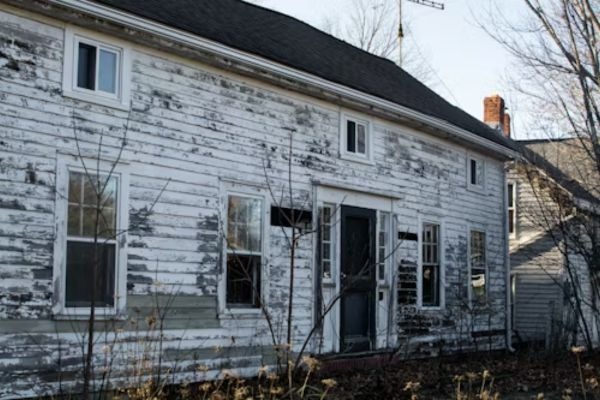
Why Is Asbestos Dangerous?
Asbestos is made up of microscopic fibers that can easily become airborne when disturbed through activities such as sanding, drilling, or breaking materials.
- Inhalation Risk: These fibers are invisible and can be inhaled without notice.
- Long Latency Period: Health symptoms may take 10–40 years to appear.
- Serious Health Issues: Long-term exposure can lead to:
- Asbestosis (lung scarring)
- Lung cancer
- Mesothelioma (a rare but aggressive cancer)
Common Sources of Asbestos in Your Home
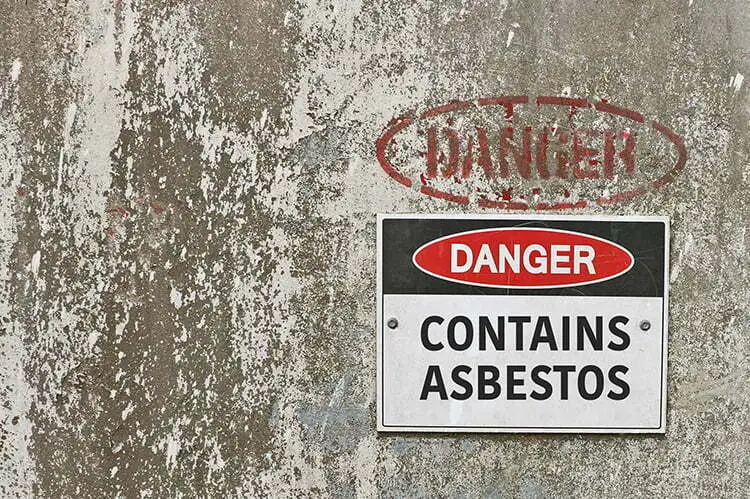
In fact, asbestos-containing materials (ACMs) are remarkably common in older properties. To identify them, you should inspect several key areas where these hazardous fibers may be present:
- Ceilings: Builders frequently applied “popcorn” or textured finishes that contain high concentrations of asbestos.
- Flooring: In addition to vintage vinyl tiles, installers commonly used a black adhesive known as “mastic,” which remains dangerous even if the tiles are removed.
- Insulation: Furthermore, you will often find asbestos wrapped around hot water pipes or packed into furnace systems. Notably, vermiculite attic fill poses a significant risk because it easily becomes airborne.
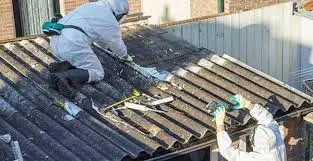
- Walls & Exterior: Beyond the interior, manufacturers produced rigid cement sheets, siding, and roofing materials with asbestos to increase fire resistance and durability.
For a breakdown of why specialized equipment is necessary, see our Asbestos Floor Tile Removal.
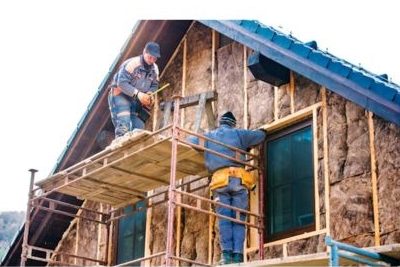
9 Key Signs of Asbestos Presence
- Older Construction: Homes built before 1990 are high-risk
- Popcorn Ceilings: Bumpy textured surfaces
- Damaged Walls: Cracked plaster or drywall
- Old Floor Tiles: Small (9×9 inch) vinyl tiles
- Pipe Insulation: Gray or silvery wrapping
- Worn Roofing/Siding: Brittle cement materials
- Unusual Dust: After minor repairs or damage
- Past Renovations: Work done without safety checks
- Cement Panels: Heavy boards in garages or sheds
What to Do If You Suspect Asbestos
If you think asbestos is present, take immediate precautions:
- ❌ Do not touch or disturb the material
- ❌ Avoid sweeping or vacuuming
- ✅ Seal off the area if possible
- ✅ Keep children and pets away
- ✅ Contact a certified professional for testing
Advanced Comparison: Asbestos Abatement Protocols
| Feature | Professional Abatement (Licensed) | DIY / Unregulated Removal |
| Protection (PPE) | Full hazmat suits & HEPA-filtered respirators. | Basic masks (ineffective against fibers). |
| Containment | Sealed zones with negative air pressure. | None; risk of spreading fibers through home. |
| Methods | Wet-removal to lock fibers in place. | Dry-breaking; creates dangerous airborne dust. |
| Legal Status | Provides official safety certificates. | No paperwork; high legal/resale liability. |
| Disposal | Sealed, labeled hazardous waste transport. | Illegal; risk of heavy environmental fines. |
| Testing | Third-party air monitoring for safety. | Visual only; hidden dust remains in home. |
| Final Cost | Higher upfront; protects home value/health. | Low upfront; high medical & legal risk later. |
Understanding Mesothelioma
Crucially, mesothelioma is a serious disease directly linked to asbestos exposure. Because the symptoms often mimic common illnesses, it is vital to recognize the following warning signs:
- Symptoms: Chest pain, breathing difficulty, persistent fatigue, and a dry cough.
- Important Action: Specifically, you must inform your doctor immediately if you suspect you have been exposed in the past.
- Early Detection: Furthermore, regular medical screenings can significantly improve treatment success by catching the disease in its earliest stages.
Conclusion
In summary, you should never compromise on safety when it comes to your home. If you are planning renovations in an older property, an asbestos inspection is arguably the most important step you can take. By doing so, you can effectively protect your family’s long-term health and ensure a safe living environment.
Frequently Asked Questions (FAQ)
No. Asbestos fibers are microscopic; therefore, they are completely invisible to the naked eye and can only be detected through laboratory testing.
Not necessarily. It is only dangerous when it becomes “friable,” meaning it is disturbed or damaged enough to release fibers into the air.
Interestingly, the answer is not always yes. If the material is undamaged, it can often be safely sealed through a process called “encapsulation” instead of being removed.
For the best results, you should look for certified asbestos inspection or professional removal specialists who follow strict safety protocols.
