
To identify asbestos floor tiles, first check your home’s age. If builders constructed it before the 1980s, the tiles likely contain asbestos.
Examine the tile’s shape and size. Older asbestos tiles usually feature square shapes in sizes like 9×9 or 12×12 inches. Also, observe their condition, as old, cracked, or brittle tiles often signal trouble.
In this article, “How to Identify Asbestos Floor Tiles in Older Homes,” we guide you through the proper steps.
Are All 12×12″ or 9×9″ Tiles with Asbestos
Manufacturers mixed asbestos—a natural mineral—into building materials like floor tiles, glue, and insulation. They specifically added it to vinyl floor tiles to increase durability.
Risk occurs when you break, crack, or disturb these tiles during renovation. Such actions release tiny fibers into the air, which cause harm when you breathe them in.
Because many pre-1980s homes still contain these materials, homeowners must maintain high awareness today.
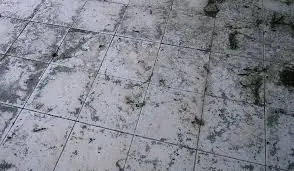
What Do Asbestos Floor Tiles Look Like
While many older tiles contain asbestos, not all tiles of these sizes pose a risk. Builders commonly used these dimensions during the peak of asbestos popularity.
Therefore, size provides a clue but offers no guarantee. Professional testing remains your safest option for identification.
Some look like stone or marble, while others have a plain design. Imagine tiles in a family kitchen—they may look normal and clean, but the material inside could still contain asbestos.
Asbestos Floor Tiles – Everything You Need to Know
Builders widely used asbestos floor tiles in pre-1980s homes because they offered strength, heat resistance, and affordability. At that time, people did not fully understand the associated health risks.
Today, these tiles still exist in many older properties. If you live in or plan to buy an older house, you must recognize these tiles and handle them safely.
Think of it like a three-bedroom home—everything may look fine on the surface, but hidden flooring materials can still carry risks.
Identifying Asbestos Floor Tiles
Identifying asbestos tiles without proper testing often proves difficult. However, you can look for specific clues. If builders finished your home before the 1980s, you face a higher chance of finding asbestos.
Old, brittle tiles that crack or break also signal potential danger. Another clue involves black adhesive (mastic) under the tiles, which frequently contains asbestos.
Only professional testing provides a confirmed answer.
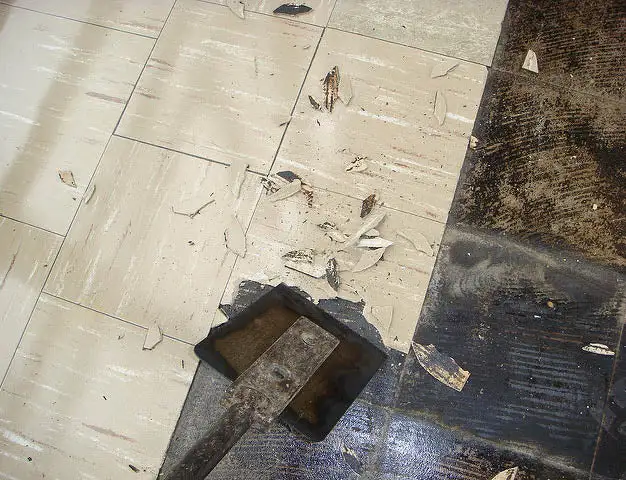
What Is the Color of Asbestos Tiles
Asbestos tiles come in many colors, including gray, white, brown, beige, and even green or blue. No single color proves the presence of asbestos. Consequently, you cannot rely on color alone to identify these materials.
How Do You Identify Asbestos Vinyl Flooring
Asbestos vinyl flooring often feels thicker and more solid than modern tiles. It may also display a dull or faded look due to age.
If the flooring appears very old and shows signs of wear, it could contain asbestos.
Checking the installation date of your home or flooring provides helpful clues. Again, professional testing remains the most accurate method.
How Dangerous Are Asbestos Floor Tiles
Asbestos floor tiles do not always pose a danger if you maintain them in good condition and leave them undisturbed. The danger begins when you break, drill, or remove the tiles without proper care.
Is a License Required for Removal
In many regions, the law requires a licensed professional for asbestos removal. This work demands specialized equipment and rigorous safety measures to prevent exposure.
Hiring experts ensures that you complete the removal safely and legally. Attempting to remove asbestos yourself risks your health and the safety of your family.
The Health Risks of Asbestos in Flooring
Inhaling asbestos fibers leads to serious health problems over time, including lung diseases and certain types of cancer.
Symptoms often remain hidden for many years, which increases the danger. The material acts like a slow house problem that stays invisible at first but becomes serious later.
Why Is Asbestos in Tiles Such a Big Concern Today
Today, people better understand the health risks of asbestos. Many countries enforce strict rules regarding its use and removal. As homeowners renovate older properties, they increase the risk of disturbing asbestos materials.
For this reason, homeowners, contractors, and buyers must remain careful and informed.
How Can You Tell If There Is Asbestos in Your Tiles
Laboratory testing offers the only reliable way to confirm asbestos. Professionals take a small sample of the tile and analyze it under a microscope.
Visual inspection alone does not suffice. If you suspect asbestos, avoid touching or disturbing the tiles until you receive the test results.
How Do You Get Rid of Tiles with Asbestos
Trained and licensed professionals must always handle the removal of asbestos tiles. They wear specialized protective gear and follow strict safety procedures to prevent exposure.
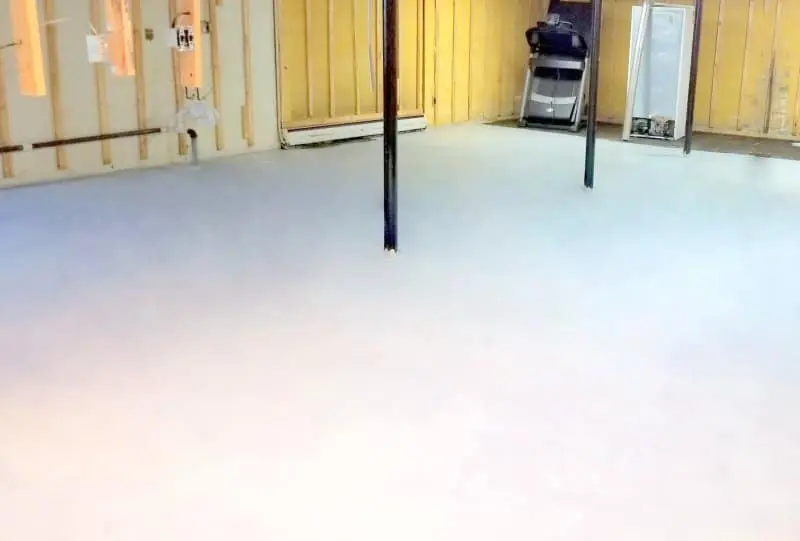
In some cases, experts seal or cover the tiles instead of removing them to reduce risk. Industry professionals call this process encapsulation, which often provides a safer and more affordable option.
Conclusion
Identifying asbestos floor tiles in older homes protects your safety and your family’s health. While these tiles look normal, they pose serious risks if you disturb them.
Always exercise caution, avoid DIY removal, and seek professional help when needed. Just as you maintain every room in your house, managing hidden materials like flooring ensures a safer and healthier home environment.
Frequently Asked Questions (FAQs)
The only 100% accurate way to identify asbestos is through professional laboratory testing. However, you can look for these common clues:
Age: Your home was built before the 1980s.
Size: The tiles are square and measure exactly 9×9 inches or 12×12 inches.
Adhesive: You notice thick, black adhesive (mastic) underneath a loose or cracked tile.
Texture: The tiles appear unusually thick, brittle, or have a dull, faded finish.
No. While these were the standard sizes for asbestos-containing vinyl tiles, not every tile in these dimensions contains the mineral. Because appearance alone is misleading, you should treat any tile of this size from an older home as presumed asbestos-containing material (PACM) until a lab proves otherwise.
Asbestos tiles do not have a specific “warning” color. Manufacturers produced them in a wide variety of shades, including beige, brown, gray, white, green, and blue. Some were designed to mimic the appearance of stone or marble.
Yes, as long as the tiles are in good condition and left undisturbed. Asbestos flooring is generally “non-friable,” meaning the fibers are trapped within the vinyl. The risk only becomes significant if the tiles are broken, sanded, drilled, or scraped, which releases microscopic fibers into the air.
No. DIY removal is highly dangerous because it can spread toxic dust throughout your entire home. In many regions, the law requires a licensed professional to handle asbestos removal. Experts use specialized vacuum systems (HEPA), protective suits, and air-scrubbing machines to ensure your family’s safety.
If the tiles are disturbed and the fibers are inhaled, they can cause serious long-term health issues, including asbestosis, lung cancer, and mesothelioma. These diseases often take many years to show symptoms, making prevention and cautious handling essential today.
If you want to avoid the cost and risk of removal, you can choose encapsulation. This involves sealing the asbestos tiles under a new layer of flooring (like luxury vinyl plank or laminate). This “covers” the risk and keeps the fibers trapped safely underneath the new floor.
