Uncategorized

Cost of Asbestos Removal in Rancho San Diego: 2026 Price Guide
Uncategorized

Cost of Asbestos Removal in Rancho San Diego: 2026 Price Guide

Asbestos removal secures homeowners in Rancho San Diego, California. Many homes built before the 1980s contain asbestos in roofs, insulation, or flooring. When disturbed, asbestos produces harmful material that can impact your health. In 2026, understanding the costs helps you plan your budget and protect your family. Cost of Asbestos Removal: Budgeting and Financial Planning The size and type of work determine asbestos removal costs. In Rancho San Diego (San Diego area), builders typically charge about $20 to $65 per square foot. Most homeowners pay between $1,100 and $6,300, with an average cost of around $2,200 for standard projects. Cost Table (2026 Estimates) Project Size / Type Estimated Cost Small room (100–200 sq ft) $1,250 – $2,500 Medium area (200–400 sq ft) $2,500 – $5,000 Large area (400–1000 sq ft) $5,000 – $12,500 Whole house removal $5,700+ Testing & inspection $231 – $776 Factors That Affect Asbestos Removal Cost in Rancho San Diego Many things can increase or decrease the cost: Size of the Area Bigger areas need more work, time, and labor, so the cost increases. Type of Material Removing asbestos from roofs or shingles is more costly than indoor materials. Accessibility If asbestos is inside tight spaces (like attic corners), workers need extra effort, which raises costs. Condition of Asbestos Damaged asbestos is more dangerous and requires special handling, increasing costs. What Rancho San Diego Homeowners Should Know Homeowners should understand safety and legal rules before removal. Safety First Asbestos is dangerous when disturbed. Always hire professionals instead of doing it yourself. Permits and Rules California has strict laws for asbestos removal, including proper disposal and safety equipment. Inspection is important. Before removal, testing is required to confirm asbestos presence. How to Save Money on Asbestos Removal in Rancho San Diego You can reduce costs with smart planning: Get Multiple Quotes Contact 2–3 contractors and compare prices. Remove Only Necessary Areas If asbestos is safe and undamaged, you may not need full removal. Schedule Early Booking early can avoid emergency costs. Combine Projects If you are renovating (like fixing roofing), combine both jobs to save money. How Do I Know If My Home Has Asbestos? You cannot identify asbestos just by looking. Common Signs Testing is required. Professional testing costs around $231–$776. Planning Tips for Safe and Effective Asbestos Removal Proper planning ensures safety and smooth work: Hire Certified Experts Always choose licensed professionals with proper equipment. Prepare the Area Seal the room to stop fibers from spreading. Follow Safety Steps Workers use protective suits and air filters to keep the area safe. Are There Alternatives to Asbestos Removal? Yes, removal is not always the only option. Encapsulation Sealing asbestos with a protective layer costs about $2–$6 per sq ft. Enclosure Covering asbestos behind walls or panels is another option. Conclusion Asbestos removal in Rancho San Diego protects your health and safety, making it a necessary investment. In 2026, the area size, material type, and project complexity determine the cost. Simple projects may cost a few thousand dollars, while full-home removal can cost much more. Start by testing, hire professionals, and plan your budget carefully. Just like maintaining a safe home for your family, asbestos removal protects your future and health. FAQs
Protect Yourself from Asbestos
Uncategorized

Common Places Where Asbestos Is Found in San Diego Homes

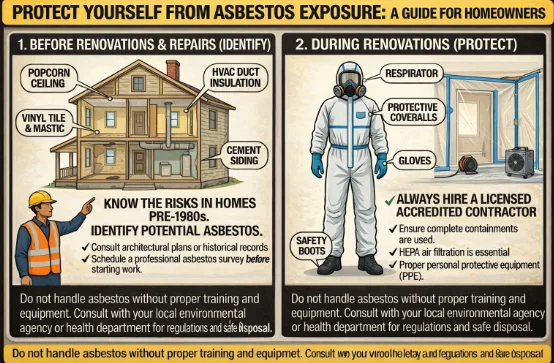
Examiners commonly discover asbestos in insulation and fireproofing materials in older San Diego homes, mostly in attics, basements, and around pipes or heating systems. Materials such as old floor tiles in the home, ceiling insulation, roof shingles, and wall plaster often carried asbestos in the past.  These areas become dangerous when the material starts breaking, cracking, or gets disturbed during repairs or renovations. Examiners find asbestos-based building materials in many homes built before the late 1970s in Common Places Where Asbestos Is Found in San Diego Homes. Builders used these materials during the region’s rapid growth because they added durability and fire resistance. A photo shows an inspection inside a mid-century or 1970s home. An asbestos professional wearing a respirator carefully examines the property and checks common problem areas, including: Popcorn Ceilings: Builders often used asbestos in the textured coating on living room ceilings. Floor Tiles and Mastic: Workers expose 9-inch by 9-inch vinyl tiles and the adhesive mastic beneath the ripped-up floor, and both often contain asbestos. HVAC and Water Heater: In the utility closet, builders often used old-style gray insulation to wrap ductwork and piping as a fireproof material, and this insulation commonly contained asbestos. Asbestos Containing Products and Materials Found in Homes Manufacturers historically used asbestos in many household products, including cement pipes, floor tiles, roofing materials, insulation boards, and adhesive glues.  Some older appliances and heating systems also used asbestos for heat resistance. Although most modern products are asbestos-free, older homes may still contain asbestos materials. Asbestos Areas Found in Homes in San Diego Builders often hide asbestos in parts of homes that are not easy to see. They place it behind walls, under flooring, and inside insulation around water heaters and furnaces. Manufacturers used asbestos in textured paints and ceiling coatings decades ago. Because people cannot always see it easily, professionals often inspect homes to confirm whether it is present. List of Asbestos-Containing Areas in San Diego In San Diego homes, builders commonly used asbestos in roofing systems, attic insulation, pipe coverings, floor tiles, ceiling textures, and wall insulation. Builders often used older buildings’ materials in garages and basements, making these areas common sources of asbestos. During renovation work, workers handle these areas carefully to avoid disturbing asbestos fibers. San Diego and Asbestos Builders widely used asbestos in most older residential and commercial buildings in San Diego before strict safety rules were introduced. As a result, establishments and professionals still prioritize asbestos management and realization in the region today. Homeowners often request inspections before remodeling or demolition work to ensure safety compliance. Regulations Regarding Asbestos in San Diego In San Diego, authorities manage asbestos control to protect public health. They allow only licensed professionals to remove or handle asbestos-containing materials.  Authorities impose strict rules for inspection, removal, transportation, and disposal. They represent these regulations to reduce exposure risks and secure the safe handling of dangerous materials. How to Protect Yourself from Asbestos Exposure Conclusion Homeowners should always take a cautious approach by scheduling professional inspections before any repair or remodeling work. Following local regulations and hiring licensed experts ensures safe handling and minimizes health risks, including serious conditions like Mesothelioma. By staying informed and proactive, you can maintain a safe and secure living environment for your family. Frequently Asked Questions (FAQs)

Professional for Asbestos Service
Uncategorized

Understanding Asbestos Inspection and Removal

Builders used dangerous asbestos in older homes in ancient days but many homeowners still confuse inspection with removal. In the past, builders used asbestos in homes, and it was so dangerous. Today, most of the homeowners still don’t clearly understand the difference between Understanding Asbestos Inspection and Removal. Asbestos Inspection Asbestos inspection means checking a building to find out if asbestos material is present and assessing its condition. It is only a testing and identification process, not removal. Asbestos Removal Asbestos removal is the actual process of safely taking out and disposing of asbestos materials from the building to eliminate health risks. In simple words, inspection finds the problem, while removal fixes the problem. Key Difference The main difference is simple. Testing identifies whether asbestos exists, while removal eliminates it from your property.  Testing is like checking if a room has a problem, and removal is fixing that problem. Both steps are important for safety. Asbestos Testing Asbestos testing is a process where experts collect samples from materials like tiles, walls, or ceilings.  These samples are sent to a lab to check if asbestos fibers are present. This process is secure when done by professionals and helps you know the exact condition of your home. Testing Needed Testing is needed when you are planning a rebuild, buying an old house, or if materials in your home are damaged.  Removal Socalabatement professionals safely remove asbestos materials from your home using specialized equipment and safety gear to prevent harmful exposure. You should not handle this as a DIY task because asbestos fibers can spread through the air and cause serious health problems. Removed Without Testing In some cases, professionals can remove materials without testing if they surely know those materials contain asbestos. However, you should always test first because testing gives you clear proof, just like checking before making an important conclusion. Positive Asbestos Test If the test result is positive, you should consider removal or containment as the next step. Professionals determine the condition and choose the safest method.  Sometimes, they seal the material, and sometimes they remove it completely. Inspection vs Removal Feature Asbestos Inspection (Testing) Asbestos Removal Purpose Identify asbestos presence Remove asbestos material Process Sample collection & lab testing Safe removal or sealing Cost Lower Higher Risk Level Low (if done properly) High (requires professionals) When Needed Before renovation or purchase After positive test Who Performs Inspectors/Lab experts Licensed removal contractors Methods and Techniques Used Professionals use different techniques for testing and removal. They collect samples and execute lab analysis during testing, while they seal, enclose, or completely remove the material during removal. The level of risk determines the method they choose. Schedule an Asbestos Inspection You should plan an inspection before renovation, demolition, or buying an older property. This step helps you avoid future problems and keeps your family safe. Choosing the Right Professional for Asbestos Service You should always hire licensed and experienced professionals. You should check reviews, ask questions, and make sure they follow safety rules.  A good expert guides you step by step. Costs Associated With Asbestos Inspection The cost of inspection depends on the size of the property and the number of samples needed. Testing is usually cheaper than removal, but both are important investments for safety. The Purpose of Asbestos Inspection The main purpose of the inspection is to save your health. It helps recognize dangers and lets you take action before problems become serious. Conclusion Homeowners should recognize the difference between asbestos inspection and removal. Testing helps you find the problem, and removal fixes it. When you follow the right steps and hire professionals, you keep your home safe, just like protecting your family in a secure house.  Frequently Asked Questions (FAQs)

Asbestos Removal
Uncategorized

When Do You Need Emergency Asbestos Removal in San Diego?

In San Diego, the combination of historic homes and a coastal environment creates a unique landscape for asbestos management. While many homeowners understand the dangers of asbestos, they often treat it as a “someday” problem—something to address during a planned kitchen remodel or a future roof replacement. However, certain situations transform asbestos from a dormant material into an immediate health crisis. In these cases, you don’t have weeks to plan; you need emergency asbestos removal. Defining an Asbestos Emergency According to San Diego County Air Pollution Control District (SDAPCD) Rule 1206, an emergency renovation is an unplanned operation resulting from a sudden, unexpected event. If you leave this event unattended, it presents an immediate safety or public health hazard. In a residential setting, an emergency usually occurs when an external force turns non-friable asbestos (hard and stable materials) into friable material (crumbly and easily airborne). Top 3 Scenarios Requiring Emergency Action Major Water Damage or Flooding San Diego’s occasional heavy rains and aging plumbing systems often cause significant water damage. When water saturates asbestos-containing drywall, acoustic “popcorn” ceilings, or floor tile backing, it destroys the binding agents that hold the fibers in place. As the material dries, it becomes incredibly brittle and releases toxic fibers into your home’s air. Fire or Structural Damage Fires pulverize building materials. If fire damages an older home, the debris likely contains shattered asbestos from insulation, roofing, or siding. Likewise, earthquakes or vehicle impacts can crack stable materials, requiring immediate professional containment.  Unintentional Disturbance During DIY Projects Homeowners often trigger emergencies during “simple” weekend projects like stripping wallpaper or pulling up linoleum. If you pulverize material and see white dust or grayish fibers, stop immediately. Call for emergency testing and cleanup to protect your health. The San Diego “Rule 1206” Protocol San Diego enforces some of the strictest air quality regulations in the country. Normally, contractors must submit a Notice of Intention ten working days before they start asbestos work. In an emergency, the SDAPCD allows for expedited notification. This allows licensed professionals to bypass the standard ten-day waiting period so they can stabilize your home immediately. To qualify, a Certified Asbestos Consultant (CAC) must usually document that the situation poses an “imminent threat.” Signs Your Situation Is an Emergency Immediate Steps to Take If you suspect an asbestos emergency in your San Diego home: Emergency removal in San Diego costs more than planned projects. Companies charge higher rates to mobilize crews quickly and meet strict disposal rules. While standard removal averages $1,155 to $1,813, emergency prices often exceed these figures based on the contamination level. Conclusion Proactive asbestos management protects your San Diego home. While dormant asbestos stays safe, accidents create immediate risks. Act quickly by recognizing emergency signs and Rule 1206. Choose professional help over DIY to keep your family safe. Frequently Asked Questions (FAQs)

Identify Asbestos Floor Tiles
Uncategorized

How to Identify Asbestos Floor Tiles in Older Homes

To identify asbestos floor tiles, first check your home’s age. If builders constructed it before the 1980s, the tiles likely contain asbestos. Examine the tile’s shape and size. Older asbestos tiles usually feature square shapes in sizes like 9×9 or 12×12 inches. Also, observe their condition, as old, cracked, or brittle tiles often signal trouble. In this article, “How to Identify Asbestos Floor Tiles in Older Homes,” we guide you through the proper steps. Are All 12×12″ or 9×9″ Tiles with Asbestos Manufacturers mixed asbestos—a natural mineral—into building materials like floor tiles, glue, and insulation. They specifically added it to vinyl floor tiles to increase durability. Risk occurs when you break, crack, or disturb these tiles during renovation. Such actions release tiny fibers into the air, which cause harm when you breathe them in. Because many pre-1980s homes still contain these materials, homeowners must maintain high awareness today. What Do Asbestos Floor Tiles Look Like While many older tiles contain asbestos, not all tiles of these sizes pose a risk. Builders commonly used these dimensions during the peak of asbestos popularity. Therefore, size provides a clue but offers no guarantee. Professional testing remains your safest option for identification. Some look like stone or marble, while others have a plain design. Imagine tiles in a family kitchen—they may look normal and clean, but the material inside could still contain asbestos. Asbestos Floor Tiles – Everything You Need to Know Builders widely used asbestos floor tiles in pre-1980s homes because they offered strength, heat resistance, and affordability. At that time, people did not fully understand the associated health risks. Today, these tiles still exist in many older properties. If you live in or plan to buy an older house, you must recognize these tiles and handle them safely. Think of it like a three-bedroom home—everything may look fine on the surface, but hidden flooring materials can still carry risks. Identifying Asbestos Floor Tiles Identifying asbestos tiles without proper testing often proves difficult. However, you can look for specific clues. If builders finished your home before the 1980s, you face a higher chance of finding asbestos. Old, brittle tiles that crack or break also signal potential danger. Another clue involves black adhesive (mastic) under the tiles, which frequently contains asbestos. Only professional testing provides a confirmed answer. What Is the Color of Asbestos Tiles Asbestos tiles come in many colors, including gray, white, brown, beige, and even green or blue. No single color proves the presence of asbestos. Consequently, you cannot rely on color alone to identify these materials. How Do You Identify Asbestos Vinyl Flooring Asbestos vinyl flooring often feels thicker and more solid than modern tiles. It may also display a dull or faded look due to age. If the flooring appears very old and shows signs of wear, it could contain asbestos. Checking the installation date of your home or flooring provides helpful clues. Again, professional testing remains the most accurate method. How Dangerous Are Asbestos Floor Tiles Asbestos floor tiles do not always pose a danger if you maintain them in good condition and leave them undisturbed. The danger begins when you break, drill, or remove the tiles without proper care. Is a License Required for Removal In many regions, the law requires a licensed professional for asbestos removal. This work demands specialized equipment and rigorous safety measures to prevent exposure. Hiring experts ensures that you complete the removal safely and legally. Attempting to remove asbestos yourself risks your health and the safety of your family. The Health Risks of Asbestos in Flooring Inhaling asbestos fibers leads to serious health problems over time, including lung diseases and certain types of cancer. Symptoms often remain hidden for many years, which increases the danger. The material acts like a slow house problem that stays invisible at first but becomes serious later. Why Is Asbestos in Tiles Such a Big Concern Today Today, people better understand the health risks of asbestos. Many countries enforce strict rules regarding its use and removal. As homeowners renovate older properties, they increase the risk of disturbing asbestos materials. For this reason, homeowners, contractors, and buyers must remain careful and informed. How Can You Tell If There Is Asbestos in Your Tiles Laboratory testing offers the only reliable way to confirm asbestos. Professionals take a small sample of the tile and analyze it under a microscope. Visual inspection alone does not suffice. If you suspect asbestos, avoid touching or disturbing the tiles until you receive the test results. How Do You Get Rid of Tiles with Asbestos Trained and licensed professionals must always handle the removal of asbestos tiles. They wear specialized protective gear and follow strict safety procedures to prevent exposure. In some cases, experts seal or cover the tiles instead of removing them to reduce risk. Industry professionals call this process encapsulation, which often provides a safer and more affordable option. Conclusion Identifying asbestos floor tiles in older homes protects your safety and your family’s health. While these tiles look normal, they pose serious risks if you disturb them. Always exercise caution, avoid DIY removal, and seek professional help when needed. Just as you maintain every room in your house, managing hidden materials like flooring ensures a safer and healthier home environment. Frequently Asked Questions (FAQs)

Safe ways to remove asbestos ceiling
Uncategorized

Is Popcorn Ceiling Asbestos San Diego Dangerous

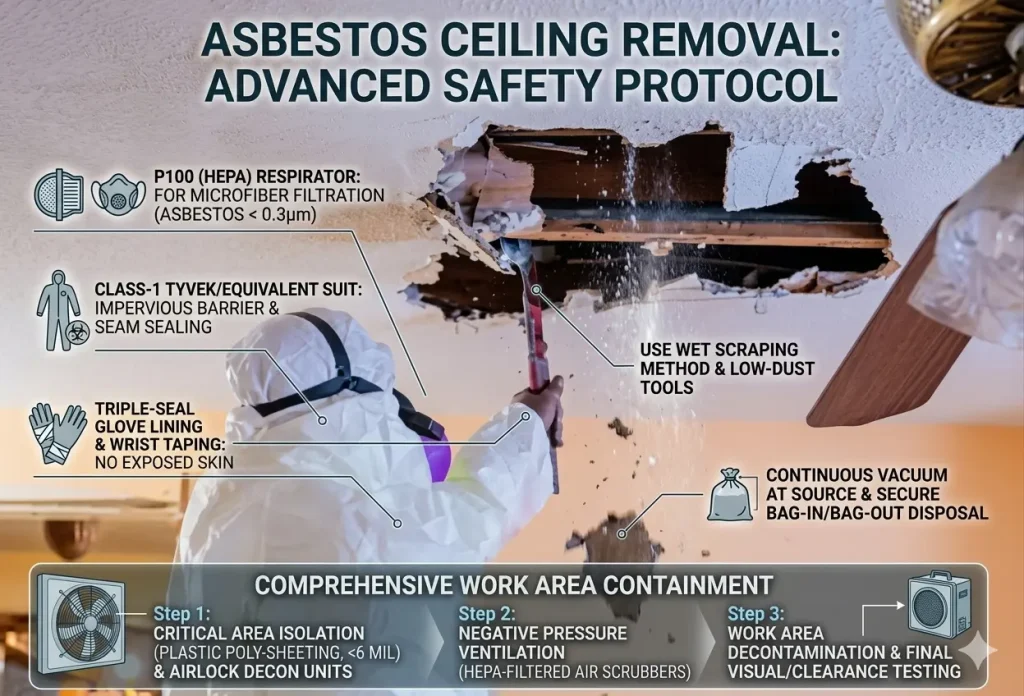
Popcorn ceilings are very common in older homes in San Diego. How much people worry if they are in danger or safe zone? The main distress is something called asbestos, which was used in old construction materials. If the ceiling is damaged, it can release harmful dust into the air. It is harmful through renovation. In this article, we will explain everything in a way that you can understand whether Popcorn Ceiling Asbestos San Diego and also safe or risky for your home and family. What Is a Popcorn Ceiling Popcorn ceilings feature a rough, bumpy texture that resembles small pieces of popcorn. Builders used this style to hide cracks and finish ceilings quickly without intensive labor. You will mostly find these ceilings in homes built before the 1980s. Think of it as a wall that trades a smooth finish for small, cement-like bumps. Do Popcorn Ceilings Carry Asbestos Some popcorn ceilings, especially in older homes, contain asbestos. Builders utilized this harmful material for its strength and heat resistance. While popcorn ceiling asbestos in San Diego poses no danger when left untouched, breaking or disturbing the texture releases microscopic fibers into the air. These tiny, invisible fibers enter your lungs when you breathe. Why Popcorn Ceilings Were Popular in Older Homes Popcorn Ceiling became popular because it was cheap and easy to apply. Builders used them to cover cracks, reduce noise, and save time during construction. It was a fast solution for finishing ceilings in Popcorn Ceiling in San Diego. Health Risks of Popcorn Ceilings in San Diego Homes The great risk comes from asbestos exposure. If the ceiling is damaged, scraped, or drilled, harmful fibers can spread in the air. Breathing these fibers over time can cause serious health problems as lung disease. It is similar to very fine dust in your home. If it stays still, it is not a big problem. But if it spreads in the air, everyone in the house will breathe it. How to Know If Popcorn Ceiling Is Dangerous You cannot tell just by looking at the ceiling whether it carry asbestos. The only safe way is to get it tested by professionals. However, if your home was built before 1980, there is a higher chance it may carry asbestos. If the ceiling is cracked, peeling, or damaged, it may be more dangerous and attention needed. Should You Buy a Home with Popcorn Ceilings Yes, you can still buy a house with a popcorn ceiling in San Diego, but you should be very careful about it. Check the state of the ceiling and get it tested if needed. If it is in good condition, it may not be harmful. Many buyers use this as a chance to negotiate a lower price and plan for future renovation. How to Test Popcorn Ceilings for Asbestos Testing should always be done by a professional. They take a mini sample of the ceiling and send it to the lab. This helps you know if asbestos is present or not. Do not try to take samples yourself because it may release harmful dust. Safe Ways to Remove Popcorn Ceilings If a lab finds asbestos, licensed experts must carefully remove the material. These professionals use specialized equipment and rigorous safety measures to protect your home and family. Industry experts call this process Asbestos Abatement, which ensures the safe removal of all harmful materials. Can You Remove Popcorn Ceiling Yourself You may remove a popcorn ceiling yourself only if a lab confirms it contains no asbestos. If the ceiling contains asbestos, never attempt removal yourself, as this creates a dangerous environment. DIY removal without proper safety protocols spreads toxic dust throughout your home. Cost of Popcorn Ceiling Removal in San Diego The cost depends on the area and whether asbestos is present. If there is no asbestos, the cost is lower. If asbestos is found, removal becomes more expensive because professionals are needed. What to Do After Removing Popcorn Ceiling After removing the texture, professionals smooth and repaint the ceiling. You can then choose modern designs to enhance your home’s aesthetic. This process works just like cleaning a dirty wall and applying a fresh coat of paint to make it look new again. How to Cover Popcorn Ceiling Without Removing It If you do not want to remove the ceiling, you can cover it. Common methods include adding drywall or applying a smooth plaster layer. This is like putting a new sheet over an old surface instead of removing it completely Does Removing Popcorn Ceiling Increase Home Value Removing popcorn ceilings increases your home’s value. Modern buyers prefer smooth ceilings because they provide a clean, updated aesthetic. This upgrade makes your home significantly more attractive to potential buyers if you plan to sell in the future. Conclusion Popcorn ceilings do not always pose a danger, but they create significant risks if they contain asbestos and you disturb them. A ceiling in good condition may remain safe; however, you must prioritize testing and proper handling. The best approach requires you to stay informed, take safety precautions, and make smart decisions for your home and family. FAQ’s

Signs of asbestos
Uncategorized

What to Do If You Suspect Asbestos During Home Renovation in San Diego

Many homeowners in San Diego living in properties built before 1990 face a hidden risk during remodeling. If you discover suspicious materials, stop work immediately and keep everyone away from the affected area. Disturbing asbestos releases microscopic fibers that can lead to serious lung diseases over time. Consequently, you must rely on qualified experts to assess the situation rather than attempting a dangerous DIY removal. What Is Asbestos and Why Is It Dangerous? Asbestos refers to a group of naturally occurring minerals once prized as a “miracle” building material due to its fire resistance and extreme durability. However, its strength comes with a deadly cost. The Inhalation Risk Asbestos becomes a severe hazard when disturbed by sanding or drilling, as it breaks down into “friable” toxic dust. Because these microscopic fibers easily enter your home’s air supply, leaving the material untouched is your only safe option. Precaution Notably, these fibers are invisible to the naked eye and can remain airborne for hours. Once inhaled, they become permanently trapped in the lungs, potentially leading to: Common Hideouts: Where Asbestos “Hides” in Older Homes If your home was built or renovated before 1990, asbestos may be tucked away in several surprising locations. Specifically, you should look for it in these key areas: Interior Systems Exterior & Miscellaneous The Emergency Protocol: 3 Steps to Safety The moment you suspect asbestos is present, you must act quickly to protect your household. Stop Renovations Immediately: Cease all activity. Activities like cutting or breaking materials aggressively disturb the surface and release fibers. Remediation Options: Removal vs. Encapsulation After a professional inspection, you will typically choose between two main methods of remediation. Feature Asbestos Removal (Abatement) Asbestos Sealing (Encapsulation) The Goal Physically extracting all asbestos. Applying a sealant to “lock” fibers in place. Safety Level Permanent: The risk is gone. Conditional: Safe as long as the seal is intact. Cost Impact High: Requires labor and hazardous disposal. Moderate: Lower labor and no disposal fees. In-Process Risk Significant: High potential for fiber release. Minimal: Material remains undisturbed. Best For Damaged, crumbling, or friable materials. Intact materials like pipes or solid tiles. Conclusion Finding asbestos is stressful but manageable with professional help. Crucially, hiring licensed experts for testing and removal is the only way to ensure a hazard-free home. By doing so, you protect your family’s health while successfully completing your San Diego remodel. Frequently Asked Questions (FAQ)

signs of asbestos in your home
Uncategorized

Signs of Asbestos in Your Home: A Complete Safety Guide

Many homes built before the 1980s contain naturally occurring asbestos. While this material is known for being durable and heat-resistant, it can nevertheless pose serious health risks when disturbed. Consequently, this guide was created to help you identify, manage, and protect your family from potential exposure. Why Is Asbestos Dangerous? Asbestos is made up of microscopic fibers that can easily become airborne when disturbed through activities such as sanding, drilling, or breaking materials. Common Sources of Asbestos in Your Home In fact, asbestos-containing materials (ACMs) are remarkably common in older properties. To identify them, you should inspect several key areas where these hazardous fibers may be present: For a breakdown of why specialized equipment is necessary, see our Asbestos Floor Tile Removal. 9 Key Signs of Asbestos Presence What to Do If You Suspect Asbestos If you think asbestos is present, take immediate precautions: Advanced Comparison: Asbestos Abatement Protocols Feature Professional Abatement (Licensed) DIY / Unregulated Removal Protection (PPE) Full hazmat suits & HEPA-filtered respirators. Basic masks (ineffective against fibers). Containment Sealed zones with negative air pressure. None; risk of spreading fibers through home. Methods Wet-removal to lock fibers in place. Dry-breaking; creates dangerous airborne dust. Legal Status Provides official safety certificates. No paperwork; high legal/resale liability. Disposal Sealed, labeled hazardous waste transport. Illegal; risk of heavy environmental fines. Testing Third-party air monitoring for safety. Visual only; hidden dust remains in home. Final Cost Higher upfront; protects home value/health. Low upfront; high medical & legal risk later. Understanding Mesothelioma Crucially, mesothelioma is a serious disease directly linked to asbestos exposure. Because the symptoms often mimic common illnesses, it is vital to recognize the following warning signs: Conclusion In summary, you should never compromise on safety when it comes to your home. If you are planning renovations in an older property, an asbestos inspection is arguably the most important step you can take. By doing so, you can effectively protect your family’s long-term health and ensure a safe living environment. Frequently Asked Questions (FAQ)

Scroll to Top